
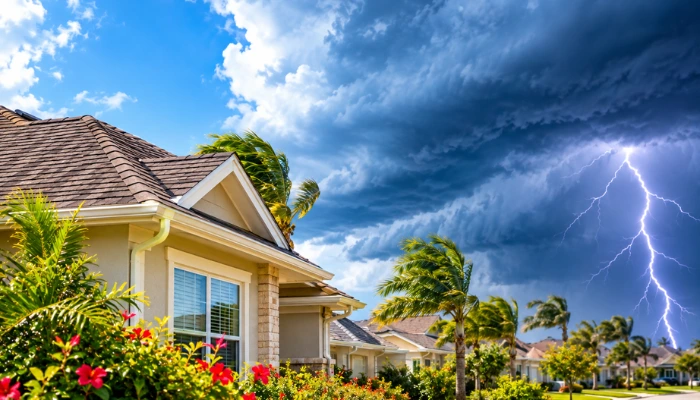
When a major storm hits the Rio Grande Valley, roofing companies may quickly arrive in neighborhoods offering inspections and repairs. Some contractors are local and experienced, while others may travel into the area looking for storm-damaged homes. These traveling contractors are often called storm chasers.
A storm chaser is not automatically a bad contractor. However, homeowners should take extra care with Storm Chaser Contractors before signing a roofing contract after a storm. A rushed decision can lead to unexpected costs, poor workmanship, delays, or difficulty getting the contractor back if something goes wrong. If your roof has storm damage, take your time and check the company carefully before agreeing to anything.
Here are 7 red flags to watch for before signing a storm damage roofing contract in the RGV.
They Show Up at Your Door Without Being Asked
One common warning sign is a contractor who arrives at your home shortly after a storm and immediately offers to inspect or repair your roof. A professional roofer may offer an inspection, but you should not feel pressured to make a decision during the first visit.
Be careful if someone:
- Insists that you need a new roof immediately
- Claims they can see major damage from the ground
- Pushes you to sign before getting other opinions
- Says their special storm pricing is available for only a few hours
- Becomes aggressive when you ask questions
Storm damage can create a real need for repairs, but that does not mean you have to sign a contract on the spot.
Tip: Ask for the company’s name, license or registration information where applicable, insurance details, physical business address, and written estimate. Then take time to verify the information.
They Cannot Provide a Clear Written Estimate
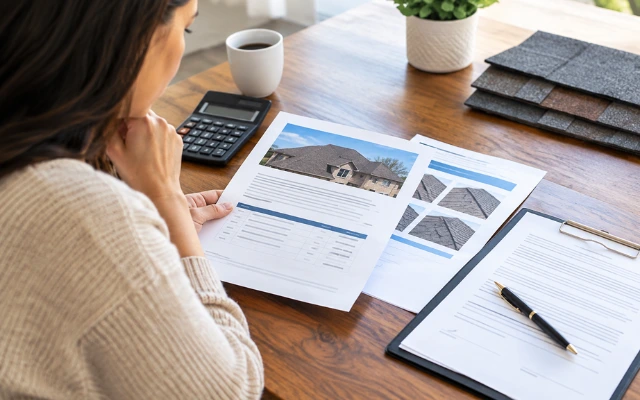
A roofing project should not be based only on a verbal promise. Before signing anything, ask for a written estimate that clearly explains what the contractor plans to do.
The estimate should make it easier to understand:
- What areas of the roof will be repaired
- Whether damaged materials will be replaced
- What type of roofing materials will be used
- Labor costs
- Material costs
- Cleanup and disposal
- Additional charges
- Payment requirements
Be cautious if the contractor says, Don’t worry, we’ll work out the details later. Storm damage roofing can involve many steps. A detailed written estimate helps you understand what you are actually agreeing to.
They Ask You to Sign an Insurance Assignment Without Explaining It
Insurance paperwork can be confusing, especially after a storm.
Some contractors may ask homeowners to sign documents that give them certain rights related to an insurance claim. When dealing with Storm Chaser Contractors, take time to understand exactly what you are signing, as the meaning of each document depends on its terms and applicable law. Never sign paperwork simply because a contractor says it is standard.
Read every document carefully. If you do not understand something, ask the contractor to explain it in plain language. You can also contact your insurance company or a qualified professional before signing.
Watch for documents that:
- You have not had time to read.
- Contain blank sections.
- Give broad authority without clear explanation.
- Include terms you do not understand.
- Are presented as mandatory without explanation.
Your insurance claim and your roofing contract are important financial matters. Make sure you understand what you are signing.
They Promise to Get You Free Roofing
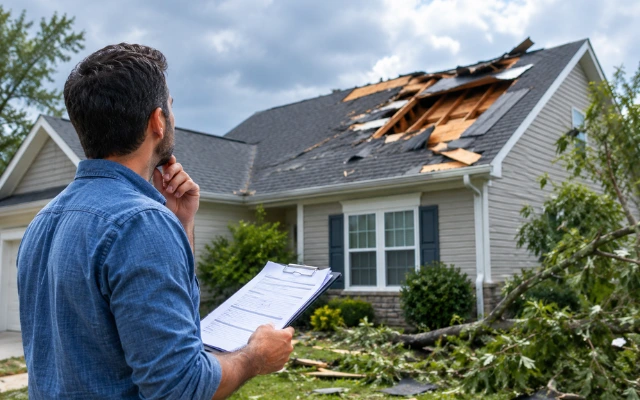
Be careful when a contractor says you can get a free roof because of storm damage.
Roof repairs and replacements are not normally free simply because a storm occurred. If an insurance policy covers certain damage, the insurer generally determines what is covered under the policy and what the homeowner may owe under the policy terms. A contractor should not tell you that they can guarantee an insurance payment before the claim has been reviewed. Also be cautious if someone offers to:
- Cover your deductible
- Increase the insurance claim amount
- Bill for work that was not completed
- Add unrelated damage to a claim
- Guarantee that your insurance company will approve the project
Ask your insurance company directly about your coverage and claim.
They Have No Clear Local Business Information
A contractor working in the RGV should be able to provide basic business information. Before signing a contract, look for details such as:
- Business name
- Physical business address
- Working phone number
- Website
- Proof of insurance
- Written contract
- References from previous customers
- Information about warranties
Be cautious if the only contact information you receive is a personal cell phone number or a temporary contact method. You should also search for independent reviews and complaints. Look at several sources rather than relying only on testimonials shown on the contractor’s own website. A company that is difficult to identify or contact can become a problem if you need warranty service later.
They Want a Large Payment Before Work Starts
Payment terms deserve close attention.
A contractor may require a deposit before purchasing materials or scheduling work. However, you should understand exactly how much is required, when additional payments are due, and what happens if the project is delayed. Be especially careful when a contractor demands a large payment immediately and refuses to explain the payment schedule. Before paying, check that the contract clearly states:
- Deposit amount
- Payment dates
- Payment methods
- Project start expectations
- What happens if the project is canceled
- Final payment requirements
Never hand over cash simply because a salesperson says you must pay immediately to “lock in” the price.
They Pressure You to Sign Right Away
One of the biggest warning signs is pressure. You may hear statements such as:
“This price is only available today.”
“You need to sign before we leave.”
“Your insurance company will not pay unless you use us.”
“If you don’t sign now, we’ll give your spot to someone else.”
Do not let a storm create pressure that leads to a rushed decision.
A trustworthy contractor should allow you enough time to read the agreement and ask questions. Before signing, compare estimates, check the company’s background, review the contract, and make sure you understand the scope of work.
What RGV Homeowners Should Do After a Storm
Storm damage can be stressful, especially when your roof has visible leaks or missing materials. However, choosing the first contractor who knocks on your door may not be the best approach.
Instead, consider taking these steps:
- Document the damage. Take photos and videos when it is safe.
- Contact your insurance company. Ask about the claims process and coverage.
- Get more than one estimate. Compare the scope of work, not just the price.
- Research the contractor. Check reviews, business information, and references.
- Read the entire contract. Do not sign documents you do not understand.
- Ask about warranties. Understand both workmanship and material coverage.
- Keep copies of everything. Save estimates, contracts, receipts, photos, and communication.
Storm Damage Does Not Mean You Have to Rush
A storm can make roof problems feel urgent, but that urgency should not prevent you from making a careful decision. When considering Storm Chaser Contractors, look for professionals who are willing to explain the proposed work, provide documentation, answer your questions, and give you enough time to review the agreement.
The goal is not simply to find someone who can repair your roof quickly. You also want to know who is working on your home, what work they will perform, what you will pay, and what happens if something goes wrong. y watching for these seven red flags, RGV homeowners can take a more careful approach when dealing with storm damage roofing companies.
Frequently Asked Questions
What are storm chasers in roofing?
Storm chasers are roofing contractors or companies that travel to areas affected by storms to find customers who need repairs. Traveling to storm-damaged areas is not automatically a sign of poor service, but homeowners should verify any contractor before signing a contract.
Should I sign a roofing contract immediately after a storm?
You generally should not feel pressured to sign immediately. Take time to review the contract, compare options, and understand the proposed work and payment terms.
How can I check a storm damage roofing contractor?
Ask for business information, insurance documentation, references, a written estimate, and a detailed contract. You can also research independent reviews and contact your insurance company about the claim process.
Can a roofer guarantee my insurance claim will be approved?
No roofer can guarantee that your insurance claim will be approved before the insurance company reviews the damage and your policy. Be careful if a contractor promises approval or tells you exactly what your insurer will pay. Ask your insurance company about your coverage, claim requirements, deductible, and the next steps before agreeing to any roofing work.
What should I do if a storm chaser pressures me to sign?
Do not sign a roofing contract simply because a storm chaser says you must decide immediately. Ask for a complete copy of the agreement and take time to read it carefully. Check the price, scope of work, payment terms, warranties, and cancellation details. Consider getting another estimate so you can compare your options before making a decision.
Conclusion
Storm damage can make it tempting to hire the first roofer who offers to help, but rushing into a contract can create problems later. If you live in the Rio Grande Valley, take time to research Storm Chaser Contractors, review the estimate, understand the insurance paperwork, and read the full contract before signing.
Watch for the seven red flags discussed above, especially high-pressure sales tactics, unclear pricing, large upfront payments, and promises about insurance coverage. A careful approach can help you choose a roofing contractor with confidence and avoid unnecessary stress after a storm.