

Fall can be the best time to replace your roof in the Rio Grande Valley. Summer heat can make roofing work more challenging, while winter weather changes may affect outdoor projects. Fall often brings more comfortable working conditions and gives homeowners enough time to prepare their roofs before colder weather arrives.
It can also be a good time to find roof problems that have developed during the hot summer months. A planned roof replacement can help avoid rushing into repairs when a major problem appears. From choosing roofing materials to setting a project date, good planning can make the process easier. Understanding why fall can work well for roof replacement can help make the project more organized from the start.
Why Fall Offers Better Conditions for Roof Replacement
Fall often provides more comfortable conditions for roof replacement in the Rio Grande Valley. The extreme heat of summer can make outdoor roofing work difficult, especially during the hottest part of the day.
As temperatures become more moderate, roofing crews can work in better conditions, making fall a practical Best Time to Replace Your Roof in the Rio Grande Valley. Milder weather can help crews complete the project with fewer heat-related challenges, although rain and changing conditions may still cause delays. A suitable installation window gives the crew enough time to remove old materials, prepare the roof surface, and install the new roofing system properly.
More Comfortable Temperatures for Roofing Crews
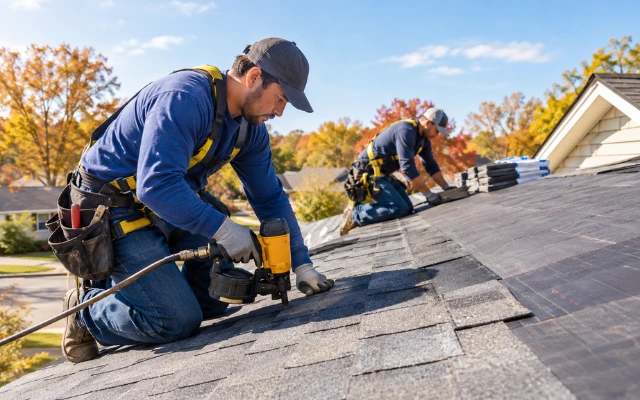
Roof replacement involves many hours of outdoor work. During a hot Texas summer, high temperatures can make this work more difficult. Fall usually brings milder temperatures, which can create better working conditions throughout the project. Roofing crews still need to follow proper safety practices, but moderate weather can make the workday more manageable.
Comfortable conditions can also help the crew stay focused on each part of the installation. From removing old roofing to installing shingles and flashing, every step needs attention. A cooler fall day can make the overall roofing process more practical than working during periods of extreme summer heat.
Fewer Weather Delays During Installation
Weather can affect the timing of a roofing project. Planning during fall can provide a useful window for completing the work before winter conditions become a concern.
- Moderate temperatures can make outdoor work easier.
- Stable weather can help keep the project on schedule.
- Less extreme heat can reduce difficult working conditions.
- Dry conditions can help with roofing material installation.
- Clear weather can support safer movement around the roof.
- A stable forecast can make scheduling easier.
- Fewer interruptions can help crews maintain steady progress.
- Good weather can allow materials to remain properly protected.
- Planned work can reduce the chance of last-minute changes.
- A clear schedule can make preparation easier.
- Better conditions can support a smoother installation process.
How Fall Weather Can Benefit Your New Roof
Fall weather can also affect how a new roof is installed. Roofing materials need proper handling and installation to perform as expected. Excessive heat can make some materials more difficult to work with, while sudden weather changes can interrupt installation. Moderate conditions can give roofing crews a better environment for completing each step carefully.
Fall can also provide a useful opportunity to replace an aging roof before winter arrives. During the replacement, the entire roofing system can be checked for problems that may not be visible from the ground. Addressing these issues during the project can help create a more complete roofing system instead of only covering visible damage.
Helps Roofing Materials Seal and Set Properly
- Shingles can be installed according to manufacturer requirements.
- Sealants can be applied under suitable conditions.
- Flashing can be positioned carefully around roof openings.
- Underlayment can be placed across the prepared roof surface.
- Roofing nails can be installed correctly.
- Roof edges can receive proper attention.
- Vents can be installed and sealed correctly.
- Valleys can be prepared before shingles are added.
- Damaged decking can be identified during removal.
- Roofing materials can be protected from unexpected weather.
- Installation can follow the planned sequence.
- Each section can receive proper attention before completion.
Less Heat Stress on Roofing Materials
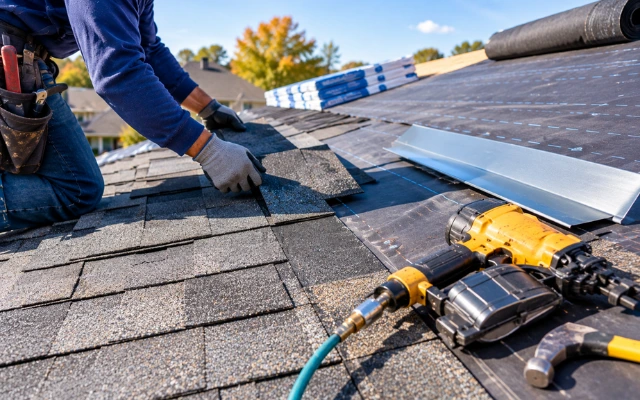
Strong summer heat can affect roofing materials and the conditions in which they are installed. Roof surfaces can become extremely hot during the day, making some installation tasks more difficult. Fall usually brings lower temperatures, which can provide a more comfortable environment for handling roofing materials.
This does not mean weather is never a concern. The forecast still needs to be checked before and during the project. However, avoiding periods of extreme heat can make the installation process more manageable. It also gives the roofing crew better conditions for working carefully across the roof surface.
Better Working Conditions Around Your Home
A roof replacement can affect more than the roof itself. Materials need to be delivered, old roofing needs to be removed, and workers need clear access around the property. Fall weather can make these activities easier to manage than during periods of extreme summer heat. Moderate conditions can also make outdoor preparation more comfortable.
Clear access to the driveway, roof edges, and work areas can help the project move smoothly. Before work begins, outdoor furniture, decorations, and other items can be moved away from the work zone. Simple preparation can reduce unnecessary problems while the roofing project is underway.
Fall vs. Other Seasons for Roof Replacement
| Season | Weather Conditions | Installation Considerations | Homeowner Considerations |
| Fall | Often more moderate | Good period for planned projects | Useful time to prepare before winter |
| Summer | Very hot at times | Heat can make work more difficult | Projects may need careful timing |
| Winter | Cooler and less predictable | Weather may affect scheduling | Delays can become more likely |
| Spring | Warmer with changing weather | Rain may affect some projects | Scheduling may depend on weather |
Fall can offer a practical balance between summer heat and winter weather. However, every roofing project is different. The roof condition, forecast, materials, and project schedule should all be considered before setting an installation date.
Important Fall Roof Replacement Considerations
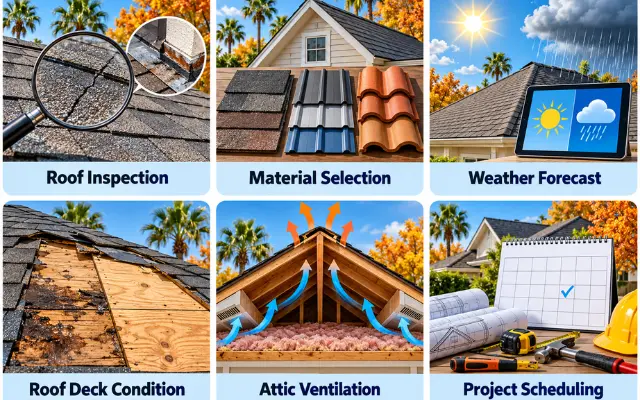
Roof Inspection: A professional inspection can identify damage, weak areas, leaks, and other problems before replacement begins.
Roofing Material Selection: The right roofing material should match the home’s structure, needs, budget, and local weather conditions.
Weather Forecast: Checking the forecast before starting work can help reduce interruptions caused by rain, strong winds, or other weather.
Roof Deck Condition: Removing the old roof can reveal damaged decking that needs attention before new roofing materials are installed.
Ventilation: Proper attic ventilation can help manage heat and moisture while supporting the overall performance of the roofing system.
Project Scheduling: Choosing a suitable installation date gives enough time to prepare the property and organize the roofing work.
Why RGV Homeowners Should Plan Before the Busy Season
Planning a roof replacement in fall can make the entire process easier to manage. Waiting until a serious leak or major damage appears can create pressure to start work quickly. A planned project gives enough time to inspect the roof, choose materials, discuss the work, and prepare the property.
It also allows hidden problems to be found before the installation is complete. In the Rio Grande Valley, a roof can deal with strong heat, storms, and changing weather throughout the year. Replacing an aging roof before a major problem develops can help avoid an unexpected project later.
Fall can provide a useful opportunity to take care of roofing work while conditions are more manageable. Good planning also makes it easier to understand the project timeline and prepare for the work around the home.
Gives You Time to Address Hidden Roof Problems
A roof can look acceptable from the ground while still having problems underneath the visible surface. During a roof replacement, old roofing materials are removed, giving the crew a chance to inspect the roof deck and other components. Problems such as damaged decking, worn flashing, poor ventilation, or moisture damage may become visible during this process.
Finding these issues early allows them to be addressed before the new roofing system is installed. This can prevent a small hidden problem from being covered by new materials. A careful inspection and proper preparation can help create a stronger and more complete roof replacement.
Key Steps to Take Before Your Roofing Project
- Schedule a Roof Inspection — Find existing damage and understand the condition of the entire roofing system.
- Review Your Roofing Options — Compare suitable materials, styles, durability, and costs before making a final choice.
- Set a Replacement Budget — Create a clear budget that includes roofing materials, labor, preparation, and possible repairs.
- Check Attic Ventilation — Make sure the attic has proper airflow before the new roofing system is installed.
- Review the Project Timeline — Know when work will begin, how long it may take, and what preparation is needed.
- Prepare Your Property — Clear outdoor areas and provide easy access so roofing work can begin without extra delays.
How to Prepare Your Home for a Fall Roof Replacement
Getting the home ready before roofing work starts can make the project easier and safer. A little preparation can also help protect outdoor items and keep the work area clear. Roofing crews need enough space to move materials, remove old roofing, and access different parts of the roof.

Taking care of these simple tasks before the project begins can prevent unnecessary delays. It is also helpful to discuss the expected work schedule with the roofing contractor. Knowing when the crew will arrive, where materials will be placed, and how the work will affect access to the home can make the process easier to manage.
- Move outdoor items Place furniture, decorations, grills, and other loose items away from the work area.
- Protect fragile items Roofing work can create noise and vibration, so secure delicate items inside the home.
- Clear access areas Keep the driveway and other access points clear so workers can bring equipment and materials safely.
- Secure pets and children Keep pets and children away from the roofing area while work is taking place.
- Discuss the schedule Confirm the expected start date, daily work hours, material delivery, and project timeline.
Signs Your Roof May Need Replacement This Fall
Not every roof needs to be replaced simply because it is getting older. However, certain problems can show that repairs may no longer be enough. Leaks, damaged shingles, sagging areas, and repeated repair needs can all deserve closer attention. Summer heat and storms can also expose weaknesses in an aging roofing system.
A professional inspection can help determine whether the roof needs a few repairs or a complete replacement. Checking these warning signs before the problem becomes serious can also make it easier to plan the work instead of dealing with an emergency later.
- Frequent roof leaks Repeated leaks can point to problems that go beyond one small damaged area.
- Missing or damaged shingles Broken, curled, cracked, or missing shingles can leave parts of the roof exposed.
- Sagging roof areas A sagging section may indicate a problem with the roof structure or underlying decking.
- Widespread granule loss Heavy granule loss can be a sign that asphalt shingles are becoming worn.
- Visible roof deterioration Noticeable aging, cracking, or damage across several areas may require further inspection.
- Repeated repair needs Frequent repairs can become costly and may indicate that replacement is a better long-term option.
Frequently Asked Questions
Is fall a good time to replace a roof in the Rio Grande Valley?
Fall can be a practical period for roof replacement because temperatures are often more manageable than during the hottest part of summer. The exact timing still depends on the roof condition, weather forecast, materials, and contractor schedule. Checking these factors before starting can help create a smoother project.
How does RGV weather affect roof replacement timing?
Weather can affect when roofing work can safely begin and how quickly it can be completed. Rain, strong winds, and extreme heat may cause changes to the schedule. Checking the forecast and choosing a suitable installation window can help reduce weather-related interruptions during the project.
How long does a typical roof replacement take?
The length of a roof replacement depends on several factors, including roof size, design, material, existing damage, and weather. A simple project may take less time than a large or complex roof. A roofing contractor can provide a more accurate timeline after inspecting the property.
Should I inspect my roof before fall replacement?
Yes. An inspection can show whether the roof has leaks, damaged shingles, weak decking, ventilation problems, or other issues. It can also help determine whether a full replacement is necessary. Finding these conditions before the project begins gives more time to plan the work properly.
What should homeowners do before roofing work begins?
The main steps are clearing outdoor areas, protecting fragile items, keeping pets and children away from the work zone, and making sure the crew has clear access. It is also useful to confirm the project schedule and discuss where roofing materials and equipment will be placed.
Conclusion
Fall can be a useful time to plan a roof replacement in the Rio Grande Valley. More manageable temperatures can make outdoor roofing work easier, while proper planning can help reduce unnecessary delays. Fall also provides an opportunity to inspect an aging roof, address hidden problems, and prepare the home before another season arrives.
Before starting, it is important to consider the roof condition, materials, weather forecast, ventilation, and project schedule. A professional inspection can help determine what the roof needs and whether replacement is the right step. With careful preparation and proper installation, a fall roofing project can be organized from the beginning and completed with fewer surprises.